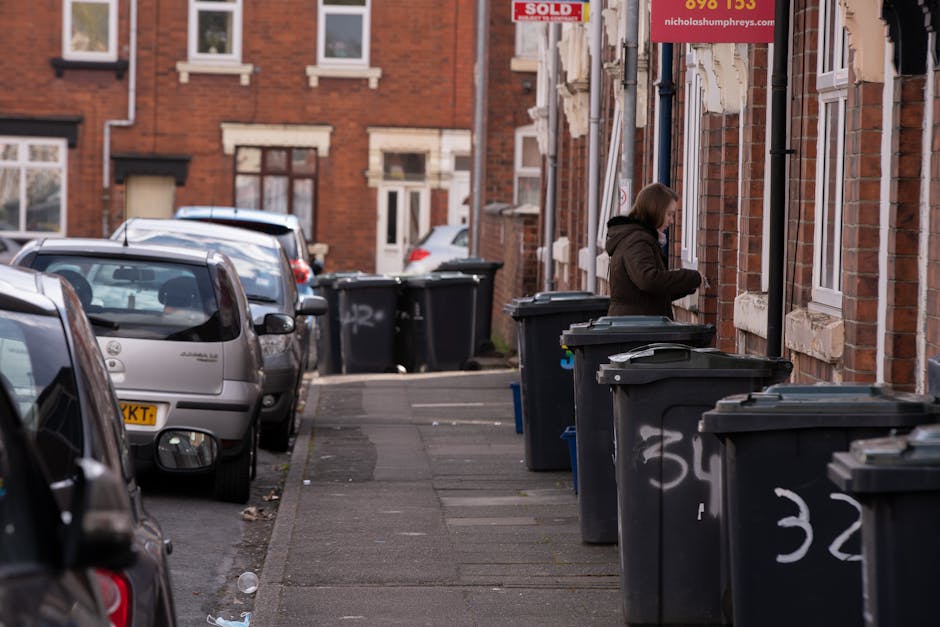
Lewisham Council rules for household rubbish in New Cross
If you live in New Cross, household rubbish can become unexpectedly tricky. One week it's a broken chair, the next it's a bulging black bag, a cardboard mountain, or a sofa that simply will not fit down the stairs. And once you start wondering what the council expects, the questions arrive fast: what goes in which bin, what counts as bulky waste, what happens if your collection is missed, and how do you stay on the right side of local rules without making a mess of the kerbside? This guide to Lewisham Council rules for household rubbish in New Cross breaks it down in plain English, with practical steps you can actually use.
We'll cover how the system works, what to do with common household items, the mistakes that cause problems, and the sensible next step if your rubbish is more than a normal weekly collection can handle. If you need broader clearance help along the way, you may also find our pages on home clearance and house clearance useful.
Table of Contents
- Why Lewisham Council rules for household rubbish in New Cross Matters
- How Lewisham Council rules for household rubbish in New Cross Works
- Key Benefits and Practical Advantages
- Who This Is For and When It Makes Sense
- Step-by-Step Guidance
- Expert Tips for Better Results
- Common Mistakes to Avoid
- Tools, Resources and Recommendations
- Law, Compliance, Standards, or Best Practice
- Options, Methods, or Comparison Table
- Case Study or Real-World Example
- Practical Checklist
- Conclusion
- Frequently Asked Questions
Why Lewisham Council rules for household rubbish in New Cross Matters
Household waste rules are one of those everyday things people only think about when something goes wrong. A missed collection, an overflowing bin, or a bag left out on the wrong day can quickly turn into a nuisance for you and your neighbours. In a busy place like New Cross, where pavements can already feel tight and shared spaces get used hard, getting rubbish right matters more than it first seems.
The basic reason is simple: council rules help keep streets clean, prevent pests, reduce fire risk, and make recycling possible. But there's also a practical side. If you separate waste properly, use the right containers, and know what the council will and won't take, you waste less time and avoid the usual chaos of last-minute bin day guesses. To be fair, nobody wants to stand outside at 7am in the drizzle trying to decide whether something is general rubbish or recycling.
For local households, the rules matter even more because New Cross has a mix of houses, flats, converted properties, and shared bin arrangements. That means the same item can be handled differently depending on where you live, how your building stores waste, and whether bins are communal or individual. A small mistake can become everybody's problem very quickly.
Key takeaway: the cleaner and more predictable your waste routine, the easier council collections become. Most problems come from mixing waste streams, putting items out too early, or trying to use the normal weekly bin for things that need a special disposal route.
How Lewisham Council rules for household rubbish in New Cross Works
At a practical level, household rubbish in New Cross is usually managed through a mix of residual waste, recycling, and special disposal routes for larger or awkward items. The exact arrangements can vary by property type, but the logic stays the same: keep recyclable materials separate, put general waste in the correct container, and only present waste for collection in the way your household is expected to.
For most homes, the council collection system works around regular bin days. You place the right containers out on the correct day, ensure bags are closed, and avoid overfilling. Sounds basic, yes, but it's where a lot of people go wrong. An open bag with loose rubbish in the rain? That's when you get spills, birds, and that unfortunate rubbish-day smell that seems to hang in the air by lunchtime.
Households in flats may have communal bins, chute systems, or shared recycling points. In those cases, the rules are often stricter because one household's mistake affects everyone else. A greasy takeaway box in the wrong bin, for example, can contaminate a whole batch of recycling. A bit annoying, but that's the reality.
There are also separate routes for items that do not belong in the normal weekly collection. Bulky furniture, electrical items, DIY waste, garden cuttings, and some hazardous materials usually need special handling. If you are clearing out a room, moving house, or dealing with accumulated clutter, a broader service such as flat clearance or furniture disposal may be more suitable than relying only on bin day.
The main thing to remember is that council collections are designed for routine household waste, not everything a household can possibly generate. Once you see the system that way, the rules become much easier to follow.
Key Benefits and Practical Advantages
Following the local rubbish rules gives you more than a tidy pavement. It creates a smoother household routine and reduces those irritating little issues that chew up time. And let's face it, nobody needs more admin from their bins.
- Cleaner kerbside presentation: neat, sorted waste is less likely to spill or attract attention from pests.
- Fewer collection problems: the right bin, the right day, the right contents. That is half the battle.
- Better recycling outcomes: sorting waste correctly helps recyclable items stay recyclable rather than being contaminated.
- Less stress for shared homes: in flats and converted houses, consistent routines prevent disputes about who left what where.
- Lower risk of complaints: rubbish that is stored or presented properly is less likely to cause neighbour frustration or local mess.
There's also a practical money angle. If you understand what belongs in normal collections and what needs a separate route, you're less likely to pay twice, once in wasted time and once in a rushed disposal decision. In some cases, planning a proper clearance is actually cheaper than repeated small trips, especially if you have bulky items like wardrobes, mattresses, or garage clutter. For those situations, the recycling and sustainability approach is often the smarter long-term option.
Another quiet benefit? Peace of mind. Once your system is sorted, bin day stops being a weekly puzzle.
Who This Is For and When It Makes Sense
This guide is useful for a lot of people, but especially if you live in New Cross and any of the following sound familiar:
- You've just moved into a new property and are not sure how collections work.
- You live in a flat or shared house with communal bins.
- You're clearing out a room after a long build-up of clutter.
- You've got awkward items like broken furniture, old garden waste, or leftover building debris.
- You need to avoid bin rejection, fly-tipping risks, or neighbour complaints.
It also makes sense for landlords, agents, and anyone helping a relative sort a property. Even a small misunderstanding about collection rules can snowball. One tenant leaves a mattress by the bins, another puts bags out on the wrong day, and suddenly the entrance looks messy for the whole block. Not ideal.
If you're dealing with a larger clear-out rather than a normal week's rubbish, services like loft clearance, garage clearance, or furniture clearance can save time and reduce the risk of leaving items where they shouldn't be.
Step-by-Step Guidance
If you want a simple process that works in real life, use this sequence. It's not fancy, but it gets the job done.
- Identify the waste type. Separate general rubbish, recycling, food waste, garden material, electrical items, and bulky possessions.
- Check what your property uses. Some homes have individual bins, others use communal storage. The storage setup affects how waste should be presented.
- Flatten and bag where appropriate. Cardboard should usually be flattened, loose rubbish should be contained, and sharp items should be wrapped safely.
- Keep recycling clean. Food residue and mixed materials are the biggest contaminators. A quick rinse can help, but only where sensible.
- Set waste out on time. Too early, and it becomes an obstacle. Too late, and collection may be missed. Simple, but crucial.
- Move non-standard items separately. Mattresses, sofas, fridges, rubble, and garden cuttings usually need special treatment.
- Use a clearance route for bulk. If you have more than you can sensibly manage through normal collections, look at a broader service such as waste removal or house clearance.
A helpful habit is to sort waste the same day you create it. Sounds a bit over the top, maybe, but it saves you from the dreaded "pile in the corner" problem where everything gets mixed together. Once mixed, sorting becomes slower, dirtier, and frankly less pleasant.
Expert Tips for Better Results
Here are the practical bits people tend to learn the hard way.
- Keep a small sorting station indoors. One bag for general waste, one box for recycling, and one place for things to donate or dispose of separately.
- Break down bulky cardboard before bin day. It frees space and makes collection easier.
- Watch for hidden contamination. A plastic tub with leftover food grease can spoil recycling more quickly than people expect.
- Separate broken furniture early. If a chair has to go, don't let it sit in the hallway for a week "just for now." That week often turns into three.
- Plan around access. In narrow stairwells or basement flats, a clearance team may need clear routes and good timing to avoid damage or delay.
- Think about seasonality. Garden waste after a weekend of pruning or a post-holiday home clear-out can create more volume than a normal bin cycle can handle.
One small but useful insight: if rubbish is becoming a recurring issue, the problem is often storage, not collections. Better indoor containers, a predictable routine, and a clear decision on bulky items usually solve more than people think.
And yes, sometimes the answer is simply "there is too much stuff." Happens to the best of us.
Common Mistakes to Avoid
Most household rubbish problems in New Cross come from a short list of avoidable errors. Some are minor. Some are the sort that make a bin crew sigh before 8am.
- Mixing recycling with food waste or general rubbish. Contamination can mean the whole load is less useful.
- Leaving bags beside full bins. This often leads to mess, pests, and complaints.
- Putting out items too early. It looks untidy and can encourage fly-tipping behaviour nearby.
- Forgetting that bulky items need different handling. A sofa is not a normal bin item, even if you wish it were.
- Ignoring shared-bin etiquette. In flats, one household's overspill affects everyone.
- Assuming everything "green" is recyclable. Not all packaging is accepted in the same way, especially if it is dirty or composite.
- Leaving sharp or broken items exposed. Wrap them securely to prevent injury.
There's a pattern here: the rules are usually simple, but only if you follow them consistently. A little discipline beats a big clean-up later.
Tools, Resources and Recommendations
You do not need specialist equipment to manage household rubbish well, but a few basics make life easier.
| Useful tool or item | Why it helps | Best for |
|---|---|---|
| Strong bin bags | Reduces tears and spills | General waste |
| Stackable boxes | Keeps recyclables separate and dry | Paper, cans, and dry packaging |
| Marker labels | Makes shared waste areas less confusing | House shares and flats |
| Gloves | Useful when sorting sharp or dusty items | Clear-outs and lofts |
| Trolley or sack truck | Helps move heavier items safely | Bulky waste and furniture |
If you're handling a larger amount of waste, a professional clearance provider can be a more practical option than repeated trips or overstuffed bins. Services such as builders waste clearance are especially useful where heavy materials, mixed debris, or renovation leftovers are involved. For businesses or mixed domestic-commercial properties, business waste removal may also be relevant.
For peace of mind on how a provider operates, it can be worth reviewing pages like insurance and safety and health and safety policy. Those aren't exciting reads, admittedly, but they tell you a lot about standards.
Law, Compliance, Standards, or Best Practice
When household rubbish is discussed, people often jump straight to "what does the council collect?" But there is a wider compliance picture too. In the UK, waste must be handled responsibly, and that means avoiding fly-tipping, disposing of items legally, and not placing unsafe materials into the wrong stream. You do not need to memorise legislation to get this right, but you do need to use common sense and follow local collection expectations.
Best practice usually means:
- Keeping waste contained so it does not escape onto pavements or into shared entrances.
- Separating recyclables from residual waste where the local collection system allows it.
- Avoiding hazardous disposals in normal household bins.
- Using an appropriate licensed service for larger, mixed, or heavy waste.
- Not leaving items in communal areas where they block access or create safety risks.
In practical terms, if a household item is too big, too heavy, too dirty, or too mixed to fit the standard routine, it probably needs a different route. That's not a loophole; it's just the sensible way waste systems are designed. If you are unsure whether a particular item belongs in normal collections, it is usually safer to pause and choose a proper disposal method than to guess.
For customers who want a disposal process with clearer controls, our terms and conditions and payment and security pages explain how bookings and transactions are handled. The detail matters when you are trusting someone with access to your property, even for a short job.
Options, Methods, or Comparison Table
Not every rubbish problem needs the same solution. Here is a straightforward comparison to help you decide what makes sense.
| Option | Best for | Strengths | Limitations |
|---|---|---|---|
| Normal council collection | Routine household rubbish and basic recycling | Simple, familiar, low effort | Not suitable for bulky or unusual items |
| Separate council bulky waste route | Furniture, mattresses, and similar large items | Matches local disposal expectations | May need booking and item preparation |
| Private waste removal | Big clear-outs, mixed waste, access issues, time-sensitive jobs | Flexible, fast, useful for awkward loads | Costs more than routine collections |
| Room-specific clearance | Lofts, garages, homes, flats, and offices | Efficient for concentrated clutter | Not needed for small weekly waste |
If you are staring at one broken shelf and three bags of waste, the council route may be enough. If you're staring at a hallway full of furniture, dusty boxes, and a fridge that has definitely seen better days, a more complete service may be the right call. For many New Cross households, a flat clearance or home clearance can be the cleaner, faster option.
Case Study or Real-World Example
Imagine a typical New Cross flat after a tenant move-out. There are a few black bags, flattened boxes, an old coffee table, a broken lamp, and some loose bits from a cupboard that was dismantled in a rush. The first instinct might be to put everything outside together and hope for the best. That usually ends badly. The bags tear, cardboard blows about, and the furniture sits there waiting for a better plan.
The better approach is more deliberate. General waste goes into secure bags. Cardboard is flattened and kept dry. The lamp is checked to see whether it should be treated as electrical waste. The coffee table is set aside for disposal rather than dumped beside the bin. Then, if the amount is still too much for normal collection, a clearance visit is arranged to remove the bulky items properly.
We have seen this kind of situation enough times to know the pattern: once the waste is sorted into clear groups, the rest becomes manageable. The flat looks better, neighbours are not annoyed, and the exit day is far less stressful. A small thing, really, but those small things matter when time is tight and the hallway is narrow.
For similar jobs, furniture clearance and flat clearance are often the most practical fit, especially where access is awkward or the items are too bulky for normal bins.
Practical Checklist
Use this quick checklist before bin day or before arranging a larger clearance.
- Have I separated general waste from recycling?
- Are all bags tied securely and free from leaks?
- Have I flattened cardboard where possible?
- Do any items need special disposal because they are bulky, heavy, electrical, or hazardous?
- Am I placing waste out on the correct day and not too early?
- Will communal bins or shared spaces still be accessible after I've put items out?
- Do I need a separate service for furniture, garden waste, or renovation debris?
- Have I checked whether anything needs safe wrapping, such as broken glass or sharp metal?
- Is there enough room for everything, or am I forcing too much into the normal collection system?
- Would it be simpler to book a professional clearance and get it done properly?
If the honest answer to the last question is "yes," that is usually the right answer. No shame in that.
Get a free quote today and see how much you can save.
Conclusion
Understanding Lewisham Council rules for household rubbish in New Cross is mostly about building a clean, repeatable routine. Sort waste properly, use the right containers, keep shared spaces clear, and recognise when something no longer belongs in the standard weekly collection. That alone prevents most of the headaches people run into.
The moment your rubbish becomes bulky, mixed, awkward, or time-sensitive, it is worth stepping back and choosing the right disposal method rather than trying to make the normal bin system do a job it was never designed for. That's where a more complete clearance service can save a lot of hassle. If you want to know more about the people behind the service, you can also visit our about us page.
Clean waste habits make a home feel calmer. It really does. And when the bins are under control, everything else seems a little easier too.
Frequently Asked Questions
What are the basic Lewisham Council rules for household rubbish in New Cross?
In simple terms, household rubbish needs to be separated into the correct waste streams, presented on the correct collection day, and kept within the council's expected container setup. General waste, recycling, and any special items should be handled differently. If you are unsure about a specific item, it is safer to treat it separately rather than guess.
Can I put bulky items out with normal household rubbish?
Usually no. Larger items such as sofas, mattresses, wardrobes, or white goods normally need a separate disposal route. They are not suitable for a standard weekly bin collection. If you have several bulky pieces, a dedicated clearance service may be more practical than trying to work around the usual bins.
What should I do with cardboard and packaging after a move?
Flatten cardboard first and keep it dry if possible. Remove obvious non-paper contaminants like food residue, plastic film, and mixed materials. If there is a large volume after a move, it may be quicker to bundle it for a separate collection or clearance rather than trying to cram it into an overflowing recycling container.
How do rubbish rules differ in flats or shared houses?
Flats and shared homes often use communal bins, so one person's mistake can affect everyone. The key differences are usually about access, storage, and consistency. Waste should be put in the correct shared container and not left in hallways or beside bins. In shared buildings, tidy presentation matters even more than usual.
What counts as household rubbish versus recycling?
Household rubbish is the non-recyclable waste from day-to-day living. Recycling is material that can be collected separately, such as certain paper, cardboard, cans, bottles, and similar clean packaging, depending on the local collection setup. Dirty or mixed items often stop being recyclable, which catches people out more than they expect.
What if my bin is full before collection day?
If your bin is routinely full too early, the issue is usually volume, sorting, or storage. Try separating recyclables more carefully, flattening packaging, and reducing bag size where possible. If you simply have more waste than the bin system can handle, you may need a one-off clearance or bulk removal solution.
Can I leave rubbish beside the bin if it does not fit inside?
Generally, that is not a good idea. Loose bags or items beside bins can create mess, attract pests, and trigger complaints. In communal areas, they can block access too. If something does not fit, it probably needs a different disposal method rather than being balanced next to the bin and hoped away.
Do I need a separate service for garden waste or garage clear-outs?
Often, yes. Garden cuttings, soil, timber, and garage clutter are not always suitable for ordinary household waste collection. If you have a bigger seasonal job, a specific service such as garden clearance or garage clearance can be much easier.
What is the safest way to dispose of broken furniture?
Break it down if possible, remove any loose sharp edges, and keep pieces secure so they do not cause injury during transport. If the item is too bulky or awkward, arrange a furniture disposal or furniture clearance service. A wobbly chair frame with nails sticking out is exactly the sort of thing you do not want rolling around a hallway.
How do I avoid fly-tipping problems around my property?
Do not leave waste out too early, do not dump items beside communal bins, and never abandon items in public areas hoping someone else will deal with them. Use the proper collection channel for the item type. Good waste habits are one of the easiest ways to reduce local mess, especially in busy streets and shared entrances.
When should I choose a professional waste removal service instead of council collection?
Choose a professional service when the waste is bulky, mixed, heavy, time-sensitive, or simply too much for the normal collection system. It is also useful when access is tight, such as in upper-floor flats or properties with narrow stairwells. If you want a clearer plan and less hassle, professional removal is often the straightforward answer.
Where can I find more information about your services and standards?
You can review our recycling and sustainability, insurance and safety, and complaints procedure pages for more context on how we work. If you need a tailored quote, our pricing and quotes page is the best place to start.