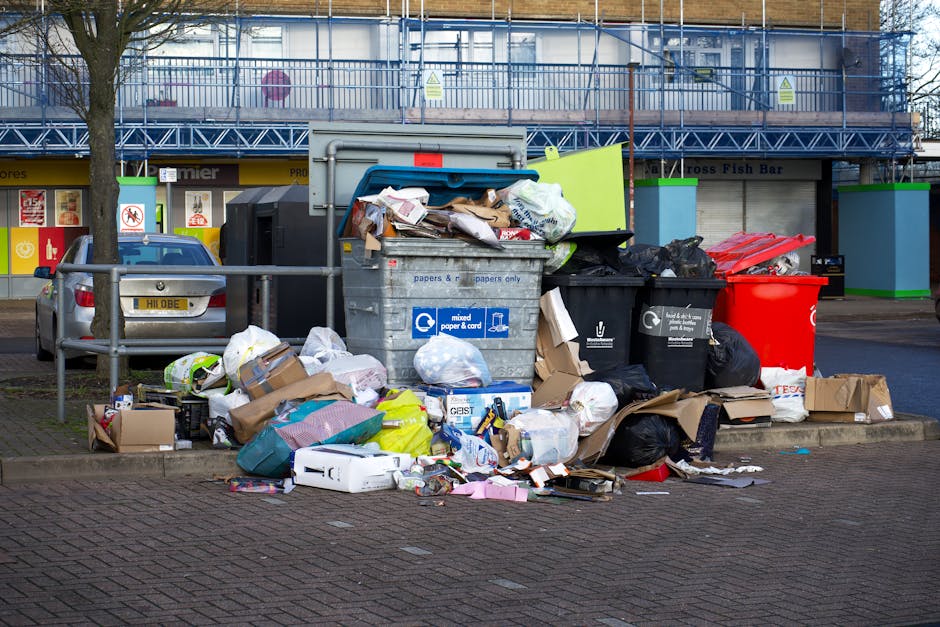
Hidden charges to avoid when hiring New Cross rubbish removal
If you are comparing rubbish removal in New Cross, the headline price is only half the story. The real issue is hidden charges to avoid when hiring New Cross rubbish removal, because a quote that looks fair at first can quietly grow once loading time, access issues, or disposal extras get added. That is usually where people feel stung. A van turns up, the job is bigger than expected, and suddenly the number on the invoice no longer looks anything like the number you were given on the phone.
This guide breaks down the most common pricing traps, how they show up in real jobs, and the questions that help you keep control of the cost. Whether you are clearing a flat, dealing with garden waste, or booking a full house clearance, a little preparation goes a long way. To be fair, most decent operators want things to be straightforward too. The trouble is the vague ones are often the loudest on price.
One small note before we get into it: if you want a clearer idea of how pricing is normally presented, the page on pricing and quotes is a sensible place to start, and the wider waste removal service page helps show how jobs are usually assessed.
Table of Contents
- Why hidden charges matter
- How rubbish removal pricing works
- Key benefits of checking charges early
- Who this is for
- Step-by-step guidance
- Expert tips for better results
- Common mistakes to avoid
- Tools, resources and recommendations
- Law, compliance, standards and best practice
- Options and comparison table
- Case study or real-world example
- Practical checklist
- Conclusion
- Frequently asked questions
Why hidden charges to avoid when hiring New Cross rubbish removal Matters
Hidden charges are not just annoying. They can change the whole experience from "quick tidy-up" to "why am I paying this much for old junk and a few broken shelves?" In a busy area like New Cross, where jobs often involve tight stairwells, parking restrictions, flats, basements, or rear access through narrow passages, pricing needs to be clear from the start.
Most people are not trying to micromanage a rubbish clearance job. They simply want honest pricing, reliable arrival, and a clean finish. But hidden fees can creep in through the back door if the company has not asked enough questions before quoting. That is especially common with mixed waste, heavy items, awkward access, and jobs that seem small until the team starts moving things around.
It matters because even a modest extra fee can make a fair quote look expensive. Worse, some charges only appear once the work is done, which leaves you with little room to argue. A transparent provider should explain the likely cost drivers before anyone lifts a box. If you are comparing services for a specific property type, it can also help to look at related pages such as flat clearance, house clearance, or office clearance so you can match the service to the real job.
Practical takeaway: the best defence against hidden charges is not haggling harder. It is making sure the quote is based on the full job, not just the easiest part of it.
How hidden charges to avoid when hiring New Cross rubbish removal Works
Rubbish removal pricing usually starts with a few basics: the volume of waste, the type of waste, how heavy it is, where it is located, and how difficult it is to remove. That sounds simple, and often it is. But hidden charges appear when one of those basics is not fully disclosed, or when the provider uses vague wording.
Here is how that typically plays out. You send photos of a garage clearance. The quote is based on the visible items. On arrival, the team finds old paint tins, rubble in the corner, a fridge freezer behind the bikes, and a steep carry down steps. Suddenly there are "adjustments." In some cases those adjustments are legitimate because the job has changed. In others, the price was simply underquoted to get the booking.
The main thing to understand is that a trustworthy rubbish removal company should be able to explain where the cost comes from. If they cannot say why the quote may change, that is a warning sign. It is not about expecting perfection from a remote estimate. It is about avoiding surprise pricing tactics that turn a simple removal into a messy negotiation at the kerb.
For bigger or more specialised jobs, the service itself can also matter. A clearance for a garden clearance will be priced differently from a builders waste clearance or furniture disposal job, because the waste streams and handling requirements are not the same. That is normal. What is not normal is disguising those differences until the invoice arrives.
Common ways hidden charges appear
- Minimum load fees that are not clearly explained before booking.
- Extra labour charges for stairs, long carries, or lifting awkward items.
- Access fees for restricted parking, gated entries, or waiting time.
- Heavy waste surcharges for rubble, soil, tiles, or similar dense materials.
- Mattress, fridge, or appliance fees added item by item without clear notice.
- Congestion or permit costs that were never mentioned in the first quote.
- Disposal or recycling charges bundled in a way that makes comparison impossible.
Key Benefits and Practical Advantages
Checking for hidden charges gives you more than savings. It gives you control. And in the middle of a stressful clear-out, control is worth a lot. You know what is happening, what you are paying for, and why the number is what it is. That alone makes the whole experience much calmer.
There is also a time benefit. When the quote is clear, the job tends to run faster because nobody is stopping to renegotiate. The team arrives, confirms the scope, and gets on with it. Less faff, fewer awkward conversations, fewer surprises. Honestly, that is how it should be.
Some of the practical advantages include:
- Better budgeting for home moves, renovations, or end-of-tenancy clean-ups.
- Fewer disputes at the end of the job.
- More accurate comparisons between providers.
- Smoother scheduling because everyone understands the scope.
- Better service fit for jobs like loft clearance or garage clearance, where access and item type matter a lot.
There is a quieter benefit too: you start recognising what a fair price structure looks like. That helps with future jobs, because you will know the difference between a proper quote and a numbers game.
Who This Is For and When It Makes Sense
This guide is for anyone booking rubbish removal in New Cross who wants an honest quote and no nasty surprises. That includes tenants, landlords, homeowners, tradespeople, office managers, and people clearing a property after a life change. If you have ever looked at a quote and thought, "That seems fine, but what am I missing?" then this is for you.
It makes particular sense if you are dealing with:
- a flat with stairs and limited parking
- a house clearance where the contents are mixed and not easy to categorise
- garden waste that might include soil, branches, turf, and broken pots
- builders waste after a renovation or repair
- furniture that is bulky, heavy, or awkward to move
- business waste that needs fast collection without interrupting the day
People often underestimate how much access affects cost. A clean driveway job is one thing. A third-floor flat with no lift, a keypad entry system, and a narrow street on a busy afternoon is another story entirely. Not worse, just different. And pricing should reflect that clearly.
Step-by-Step Guidance
If you want to avoid hidden charges, follow a process rather than relying on guesswork. It does not need to be complicated.
- List everything that needs removing. Be specific. "Old stuff in the shed" is less useful than "three shelving units, two bags of soil, one broken mower, and a pile of timber."
- Take photos from different angles. Show the full room, the access route, stairs, hallways, and any awkward items.
- Describe access honestly. Mention parking distance, floor level, narrow doors, locked gates, or shared entrances.
- Ask what the quote includes. Labour, loading, disposal, recycling, VAT if applicable, waiting time, and any additional item charges should all be clear.
- Check whether the quote is fixed or estimated. Fixed is easier for budgeting, but only if the scope has been described properly.
- Confirm the waste type. Mixed general waste, green waste, furniture, and builders debris can each be priced differently.
- Get the terms in writing. Even a short email summary helps prevent "I thought you meant..." moments later.
- Reconfirm before the team arrives. If more items have been added since the quote, say so up front.
Simple, really. But simple beats sorry every time.
Questions worth asking before you book
- Is the price based on volume, weight, or a mixture of both?
- What happens if the load is slightly larger than expected?
- Are stairs or long carries charged separately?
- Do you charge extra for specific items such as fridges or mattresses?
- Are recycling and disposal included in the quoted cost?
- Will I pay anything extra for parking or waiting time?
If a company answers clearly and calmly, that is a good sign. If the answer feels slippery, keep moving.
Expert Tips for Better Results
In our experience, the best way to avoid hidden charges is to think like the person estimating the job. What would make this more difficult? What would force extra handling? What would add time? If you pre-empt those things, you are far less likely to be surprised.
Here are a few practical tips that help more than most people expect:
- Show the awkward stuff first. Don't hide the rubble under a blanket or the old wardrobe behind a door. It will be found anyway.
- Be honest about the volume. Understating the load is the fastest route to a higher final price.
- Ask about access before the day. If the van cannot park close by, that may affect the quote.
- Compare like for like. Two quotes that both look cheap may include very different levels of service.
- Keep an eye on itemised charges. A tiny extra line can become a not-so-tiny total.
One slightly unglamorous but useful tip: clear the path before the team arrives. Not just the items themselves, but the route out. It saves time, and sometimes saves money. A hallway full of shoes, a folded pram, and three bags waiting by the front door can make a clear-out more complicated than it needs to be.
If your job includes mixed items, it may be worth checking service-specific pages like furniture clearance or home clearance so you can match expectations to the kind of waste you actually have.
Common Mistakes to Avoid
Most pricing problems happen because people assume the quote covers more than it does. Fair enough; sales language can be vague. But a few simple mistakes show up again and again.
- Choosing the cheapest quote without checking what is included. Cheap can be fine. Cheap and unclear is another matter.
- Not mentioning stairs, distance, or parking restrictions. Those details matter more than people think.
- Forgetting that some items have special disposal costs. Appliances, mattresses, and dense waste often need separate handling.
- Adding items on the day without warning. That is one of the quickest ways to trigger a revised price.
- Assuming recycling is free. It may be part of the service, but it should be explained rather than implied.
- Not asking for the full price breakdown. A good provider should not make that feel awkward.
Another common one: people focus only on cost and forget reliability. Then the job is late, rushed, or incomplete, which ends up costing more in time and stress. Nobody needs that on a Tuesday morning with a skip of broken furniture sat outside the property in the drizzle.
Tools, Resources and Recommendations
You do not need specialist software to avoid hidden charges. A phone, a notepad, and a bit of honesty are usually enough. Still, a few simple tools make the process easier.
- Phone photos and short videos to show volume, access, and item type.
- A rough room-by-room list if the clearance spans several areas.
- Measurements for bulky items like wardrobes, sofas, desks, or appliances.
- Notes on parking and access if the property is on a busy road or in a restricted zone.
- A written quote summary so you have something to refer back to.
For readers planning a wider clearance, the service pages for house clearance, office clearance, and builders waste clearance can help you think through the type of waste and the likely handling needs. If sustainability matters to you, the company's recycling and sustainability page is also useful for understanding how waste is handled after collection.
And if you want to know a bit more about the business behind the service, the about us page can give a sense of the company's approach and values. That kind of context is not glamorous, but it can help with trust.
Law, Compliance, Standards or Best Practice
When waste is being collected and disposed of, compliance matters. You do not need to be an expert in waste law to book a service, but you do want a provider that handles waste responsibly and follows sensible best practice. In the UK, reputable operators should be able to explain how waste is transported, sorted, and disposed of, and they should be careful about items that need special handling.
For you as a customer, the practical takeaway is simple: ask how the company deals with disposal, recycling, and safety. If a provider seems vague about where the waste goes, that is worth noting. Likewise, if they brush off health and safety concerns, such as manual handling or access risks, that is not a small thing. It often hints at poor process more broadly.
There are also everyday best-practice signals worth watching for:
- clear pricing and quote explanations
- respect for property and shared access areas
- careful handling of bulky or sharp items
- appropriate separation of reusable, recyclable, and general waste
- proper communication if the job scope changes
If safety and responsibility matter to you, it can be reassuring to review the company's health and safety policy and insurance and safety information. Those pages are not there for decoration. They show whether the business has thought through the practical side of the work.
One more thing: if you are booking waste removal for a workplace, it may be worth looking at business waste removal so the service setup fits the way your site operates. That can avoid awkward extras later, especially around timings and access.
Options, Methods, or Comparison Table
Not every rubbish removal job should be handled the same way. The right choice depends on how much you need removed, how urgent it is, and how simple the access is. Here is a straightforward comparison to help you think it through.
| Option | Best for | How charges can creep in | What to check first |
|---|---|---|---|
| Man and van rubbish removal | Small to medium loads, mixed waste, fast collection | Extra labour, item surcharges, access fees | Volume limits, loading time, stairs, parking |
| Full property clearance | Homes, flats, lofts, and probate-style clear-outs | Unexpected item categories, additional rooms, long carries | Scope of rooms, item list, whether sorting is included |
| Specialist waste clearance | Builders waste, heavy materials, commercial jobs | Weight-based pricing, disposal differences, restricted items | Waste type, heavy load rules, site access |
| Furniture or appliance removal | Single bulky items or a few pieces | Minimum charge, extra item fees, stairs | How many items, exact dimensions, lift access |
The table is not a rigid rulebook. It is a reminder that different jobs carry different cost risks. A sofa on the ground floor is not the same as the same sofa on the fourth floor, and everybody knows it once they start lifting. That is why service type matters.
Case Study or Real-World Example
A typical example: a resident in New Cross needs a partial flat clearance after a move. The initial quote is based on photos of the main room, two bags, and one wardrobe. On the day, the team also finds a dismantled bed frame, a broken bedside cabinet, and several heavier bags stored in the hallway. The property is on an upper floor, and the lift is out of service. Suddenly the job is larger than planned.
Now, there are two ways that could go. In the first, the provider explains the extra cost in advance, because the scope has genuinely changed. The customer agrees, the job is completed, and nobody feels ambushed. In the second, the company had already expected those extras but used a low quote to secure the booking. That is where trust disappears fast.
The difference is not always the final price. Sometimes it is the honesty around why the price changed. People are usually fine with a fair adjustment when the facts change. What they dislike is being cornered after the work is half done.
That is exactly why good prep matters for jobs like flat clearance and furniture clearance. The more clearly you describe the load, the less room there is for surprise fees. Simple, but effective.
Practical Checklist
Use this quick checklist before you confirm a booking.
- Have I listed every item that needs removing?
- Have I included photos of the full load and the access route?
- Did I mention stairs, long carries, or parking restrictions?
- Do I know whether the quote is fixed or estimated?
- Have I asked about labour, disposal, recycling, and waiting time?
- Do I understand whether heavy or special items cost extra?
- Have I checked what happens if the job is slightly larger on the day?
- Have I asked for the terms in writing?
- Have I compared the quote with at least one other provider?
- Am I comfortable that the company has explained everything clearly?
If you can tick most of those off, you are in good shape. If not, pause for a moment and ask the missing questions. It takes two minutes, maybe three. It can save you a lot more.
For payment confidence, you may also want to review the company's payment and security information before you commit. That is especially sensible if the booking is being arranged quickly.
Get a free quote today and see how much you can save.
Conclusion
The easiest hidden charges to avoid when hiring New Cross rubbish removal are the ones you prevent before the van arrives. Clear photos, honest descriptions, direct questions, and a written summary go a long way. That is the real formula. Not flashy, not complicated, just solid common sense.
When a company is transparent, the whole process feels lighter. You know what will happen, you know what it costs, and you can get on with your day. That matters whether you are clearing a flat after a move, tackling a cluttered loft, or finally sorting the garden shed you have been avoiding since spring. Truth be told, everyone has one of those jobs.
Choose clarity over guesswork, and you will usually end up with a smoother service, a fairer price, and far less stress. And that is the bit people remember after the dust has settled.
Frequently Asked Questions
What hidden charges should I ask about before booking rubbish removal in New Cross?
Ask about labour, access issues, stairs, parking, waiting time, heavy-item surcharges, special waste items, and whether disposal is included. If any of those are unclear, the quote is not fully transparent yet.
Why do rubbish removal prices change on the day?
Usually because the actual job is larger, heavier, or harder to access than described. Sometimes that is fair. Sometimes the original quote was too low. The key is whether the change was explained clearly before work continued.
Are stairs always an extra charge?
Not always, but they often affect price because of labour and time. A ground-floor collection is simpler than carrying bulky items up or down several flights, especially in older New Cross properties.
How can I tell if a rubbish removal quote is honest?
Honest quotes tend to ask for photos, item details, access information, and waste type. They also explain what is included and what might change the price. Vague quotes usually stay vague for a reason.
Is the cheapest rubbish removal company usually the best option?
Not necessarily. The cheapest quote can be fine if it is detailed and realistic, but a very low price with poor detail often leads to extras later. Compare what is included, not just the headline number.
Do furniture removal jobs have hidden charges?
They can, especially if the provider charges separately for bulky items, stairs, or long carries. A clear furniture quote should explain how many pieces are included and whether dismantling is part of the service.
What should I do if the team wants to charge more on arrival?
Ask which part of the job differs from the original description and why that changes the cost. If the extra charge is due to new information you failed to mention, it may be reasonable. If not, ask for a clear explanation before agreeing.
Can I avoid extra charges by sending photos?
Yes, photos help a lot. Send wide shots of the waste, close-ups of any awkward items, and pictures of access routes. Even better, add a short written note so nothing important is missed.
Do recycling and disposal costs need to be itemised?
They do not always have to be shown as separate lines, but the quote should make it clear that disposal is covered. If recycling is part of the company's process, that should be explained in plain language rather than implied.
What kind of jobs are most likely to get surprise charges?
Flat clearances, loft clearances, garden clearances, builders waste, and jobs with poor access tend to be the most likely, simply because more variables are involved. That does not mean they are risky by default, just that they need better quoting.
Should I read terms and conditions before booking?
Yes, especially if the quote is estimated or the job is complex. The terms usually explain how changes, cancellations, access, and payment are handled. It is not thrilling reading, admittedly, but it can save headaches.
How do I make sure my New Cross rubbish removal quote is accurate?
Be specific about the waste, send good photos, mention access problems, and ask for a full breakdown of what is included. If you are unsure about the service type, check related pages such as home clearance, garage clearance, or office clearance to match the job more closely.